
Jacquemus transforms Monte-Carlo Beach into a sensory summer experience.
- Helena Dezem

- Jan 19
- 3 min read
With striped parasols, immersive boutiques, and a sunny aesthetic, Jacquemus reinvents the iconic Monte-Carlo Beach as a vibrant and unforgettable brand experience.

Summer on the French Riviera has taken on a new dimension with the arrival of the Jacquemus universe at the legendary Monte-Carlo Beach Club. In partnership with the Monte-Carlo Société des Bains de Mer, designer Simon Porte Jacquemus has reimagined the seaside space with an aesthetic intervention that poetically and innovatively unites fashion, design, and hospitality.
Banana-yellow sun loungers, black and white striped parasols, and coconut-milk white details adorn the pier and the Pool Café, evoking the luminous atmosphere of the “La Croisière” collection, presented in Paris earlier this year. More than just a seasonal set design, the intervention reflects the sensitive and intentional style that has established the maison on the global stage—and inaugurates a new phase for the emblematic Monegasque hotel.

This activation marks another step in the contemporary repositioning of the Monte-Carlo Beach, which has been undergoing a series of structural and symbolic renovations: a remodeled Le Deck restaurant, a redesigned Olympic swimming pool, newly opened padel courts, and the Michelin-starred Elsa restaurant, helmed by Marcel Ravin, which focuses on organic and local ingredients. The hotel has also been certified by the Green Globe seal since 2014, reaffirming its commitment to sustainable practices and conscious experiences.
From design to narrative: fashion as a living environment.
The activation goes beyond aesthetics. Two boutiques have opened on the premises with spatial and artistic curation reminiscent of Provençal homes: furniture in natural tones, books about the south of France, and works inspired by Matisse and Renoir create environments that seem like extensions of the designer's own residence. Each space functions as a living gallery, where fashion is presented as a way of life—and not just as a product.
“The idea was to create a universe where fashion, leisure, and design coexist in harmony. Every texture, color, and volume was conceived to convey the lightness of a summer that seems endless,” stated René Blino, general manager of Monte-Carlo Beach. And that is precisely the DNA of the maison: transforming places into sensory experiences that touch on memory, desire, and belonging.
By filling the club with striking visual elements and a strong symbolic presence, Jacquemus redefines seaside luxury. The Riviera takes on a new language: more playful, more tactile, closer to the Mediterranean artistic imagination. The chromatic choices—between vibrant and calm—establish a dialogue between the glamorous past of the region and the contemporary lightness of a new hedonism.
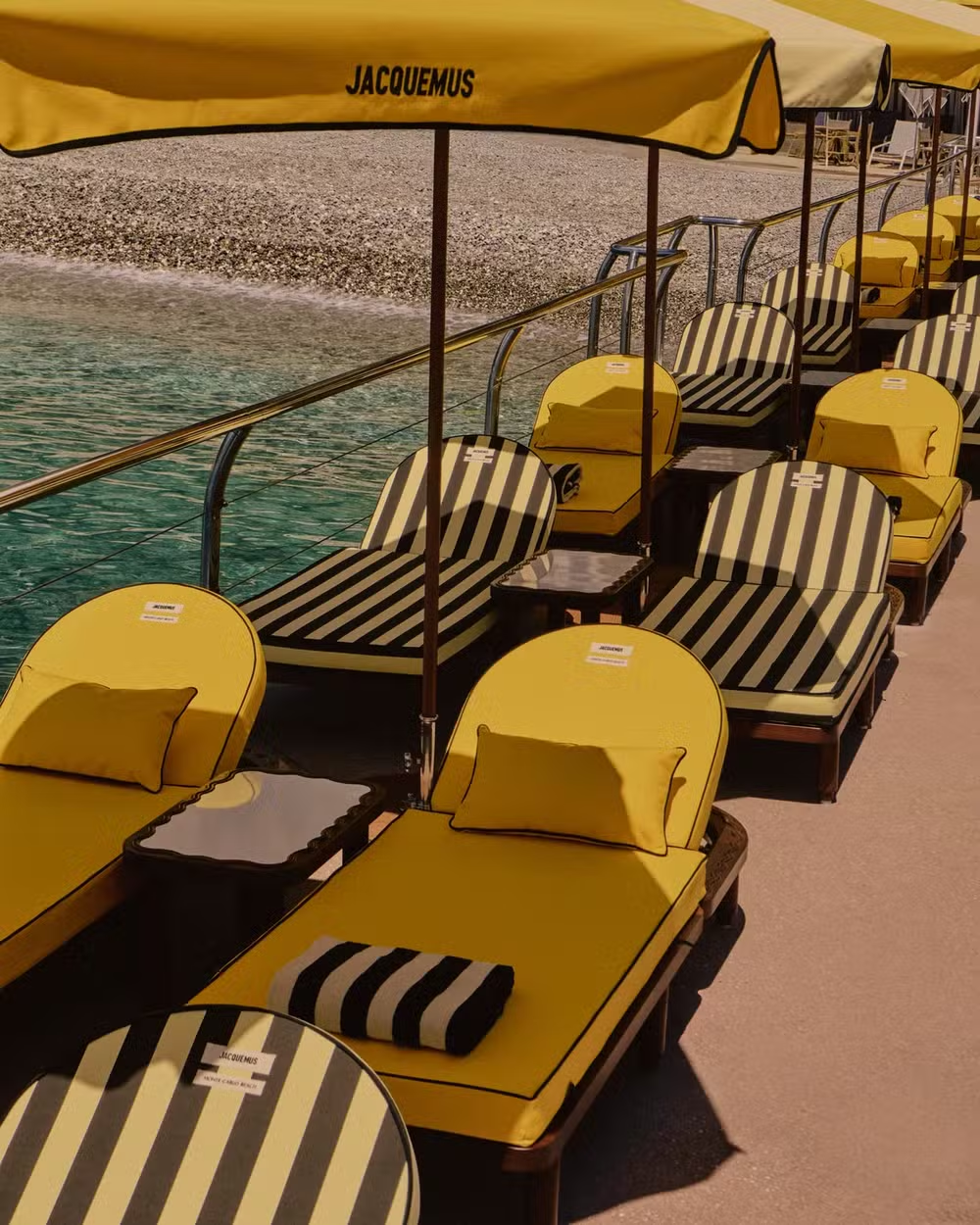


This collaboration also reaffirms the role of physical activations as a strategic branding tool. The immersive experience created at Monte-Carlo Beach not only reinforces the brand's values but also generates desire, visibility, and emotional connections with diverse audiences—from travelers seeking exclusive experiences to lovers of Mediterranean aesthetics with a keen eye for design.
The understated sophistication so characteristic of Jacquemus finds its ideal setting: the sea of the French Riviera, the gentle breeze of the European summer, and the sensitive architecture of Dorothée Delaye, responsible for the new furniture in the restaurant, cabanas, and outdoor areas. With references ranging from Picasso to Jean Cocteau, Delaye translated the exuberance of the past into smooth lines and contemplative atmospheres.

May this initiative inspire new possibilities for physical retail and brands that wish to create truly memorable experiences. Projects like this show how fashion, art, and hospitality can intertwine to build compelling narratives and generate lasting symbolic value.


Comments